Every missed call at a private practice is a missed patient or client. With limited front-desk staff and high confidentiality standards, private practices need more than a generic call center. The best answering service for private practice handles secure call routing, appointment scheduling, after-hours coverage, and urgent escalation without adding headcount. This guide breaks down the top providers, current pricing, and how to pick the right fit.
What Is an Answering Service for Private Practices?
An answering service for private practices manages inbound calls for medical, therapy, dental, or legal offices.
These are often called virtual receptionist services, and unlike general call centers, they follow confidentiality protocols, support appointment scheduling, and escalate urgent matters based on defined workflows.
Key capabilities purpose-built for your practice include:
HIPAA-compliant call handling for patient data protection
Structured triage to escalate urgent matters immediately
Appointment scheduling integration with practice management tools
24/7 coverage without overtime payroll
AI or live-agent models depending on volume and complexity
Medical answering service providers may also offer a signed Business Associate Agreement (BAA).
This is a legal requirement under HIPAA for any vendor handling patient information.
No-shows rise with poor follow-up. Appointment leakage increases when callbacks are inconsistent.
Whether you run a solo therapy practice or a multi-provider clinic, an answering service for small business reduces operational strain while protecting client trust.
Modern call answering solutions range from AI-first platforms to fully live-staffed services.
Custom Scripts. Scripting ensures every caller interaction reflects your practice's voice consistently.
CRM and EHR Integration. Confirm compatibility with your existing practice management software before you commit.
Pricing Transparency. Avoid hidden overage fees. Per-second billing or flat subscriptions are more predictable.
The strongest providers combine general capabilities such as 24/7 live answering, custom scripts, and call routing with AI-specific features like instant response, sentiment analysis, and automated scheduling.
AI vs. Traditional Answering Services: Which Model Is Right for You?
Both models serve a real purpose.
Your call type and volume determine which one fits.
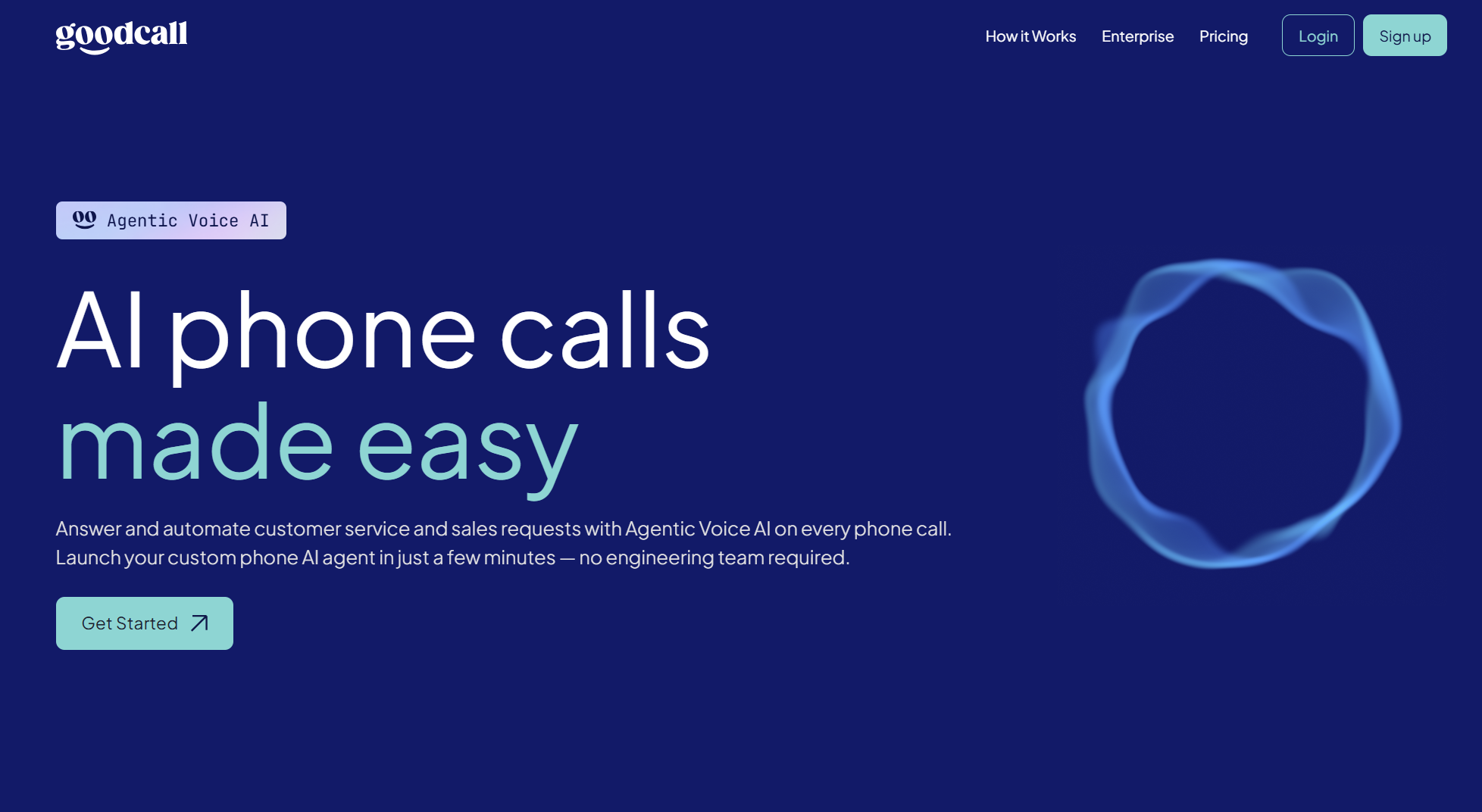
AI answering services like Goodcall offer predictable subscription pricing and instant response times.
They have zero staffing overhead and handle unlimited concurrent calls.
They work best for high-volume practices with structured intake flows and routine inquiries.
An AI answering service can reduce call handling costs by up to 60% versus human receptionists.
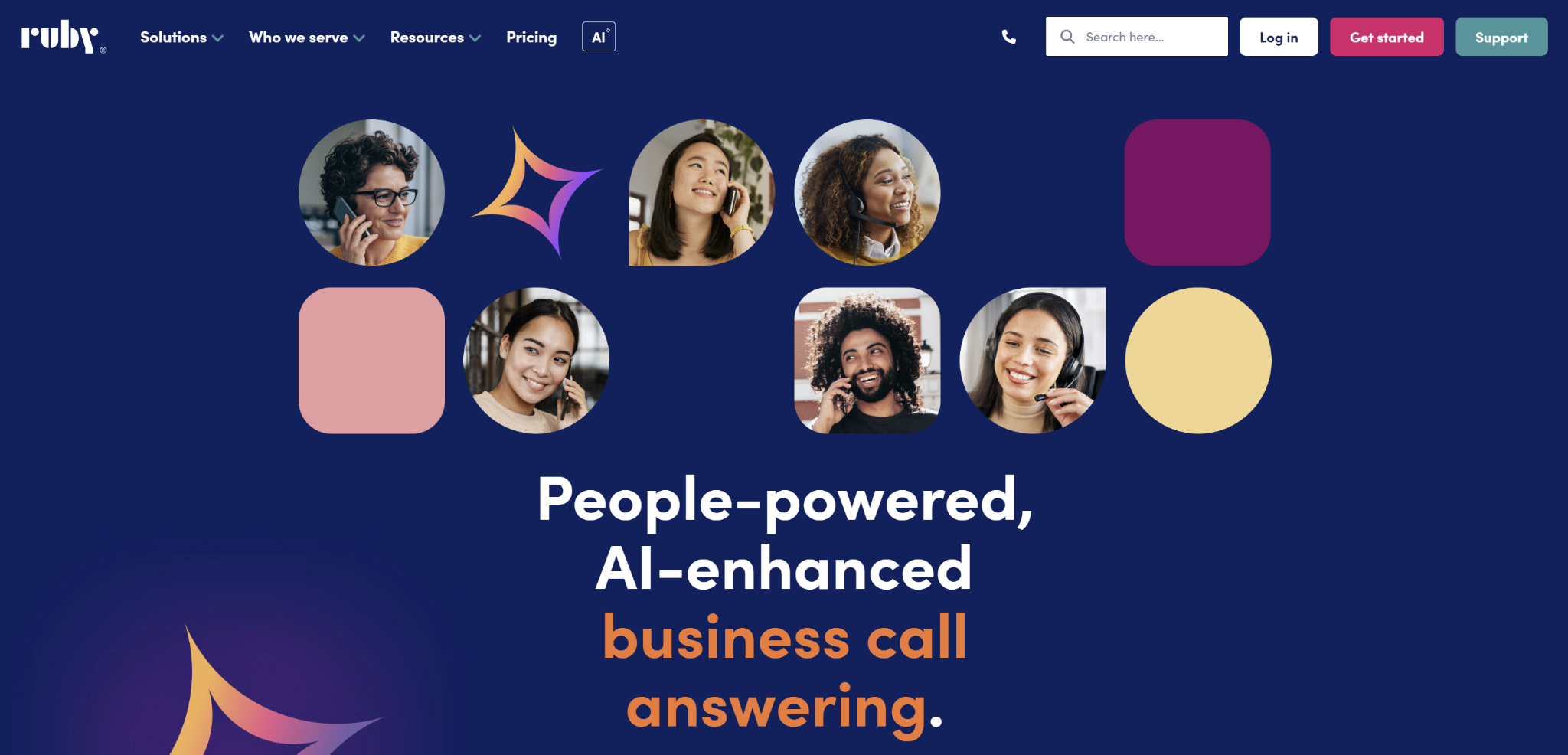
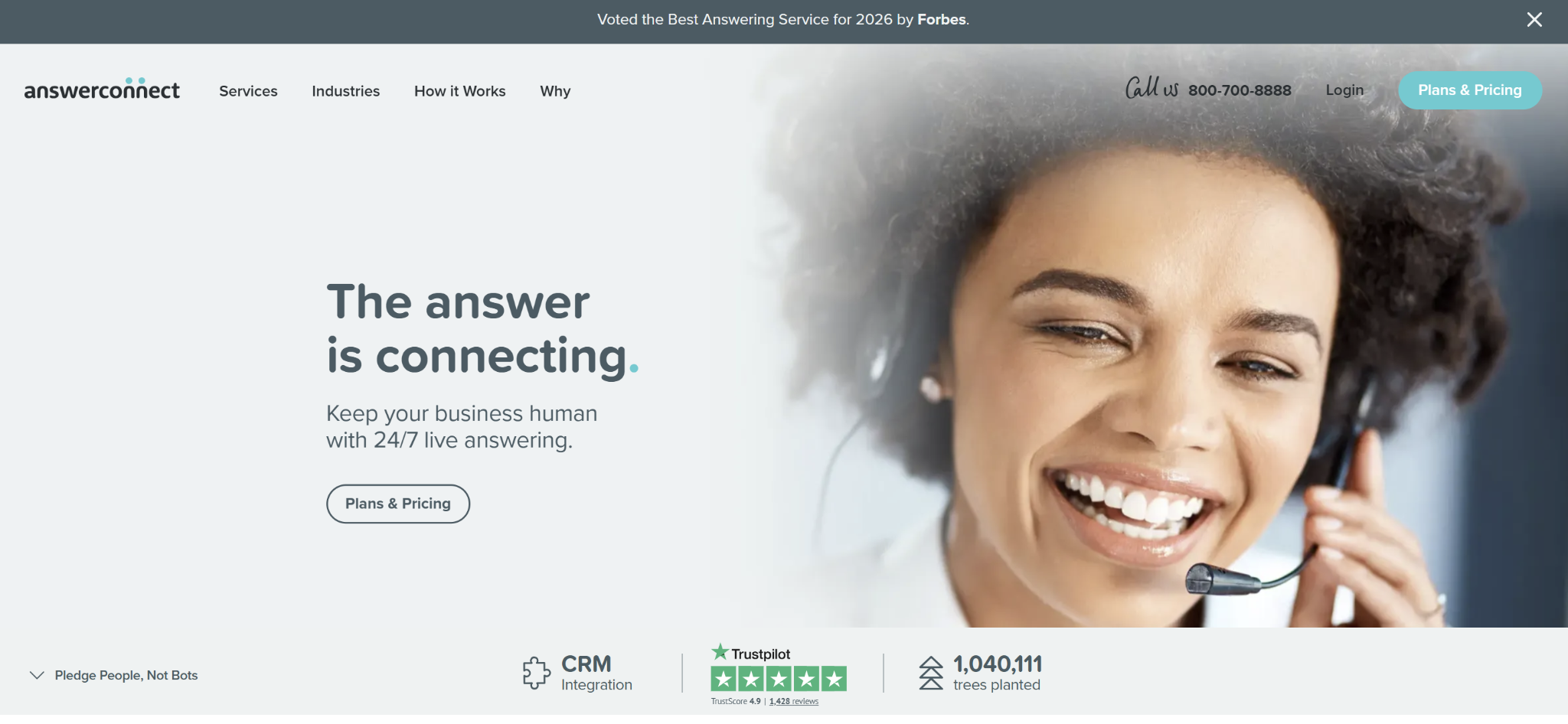
Traditional live services like Ruby or AnswerConnect bring human empathy to complex, emotionally sensitive conversations.
They are best suited for practices where callers routinely have nuanced needs outside a structured script.
Examples include mental health, end-of-life care, or first-contact legal matters.
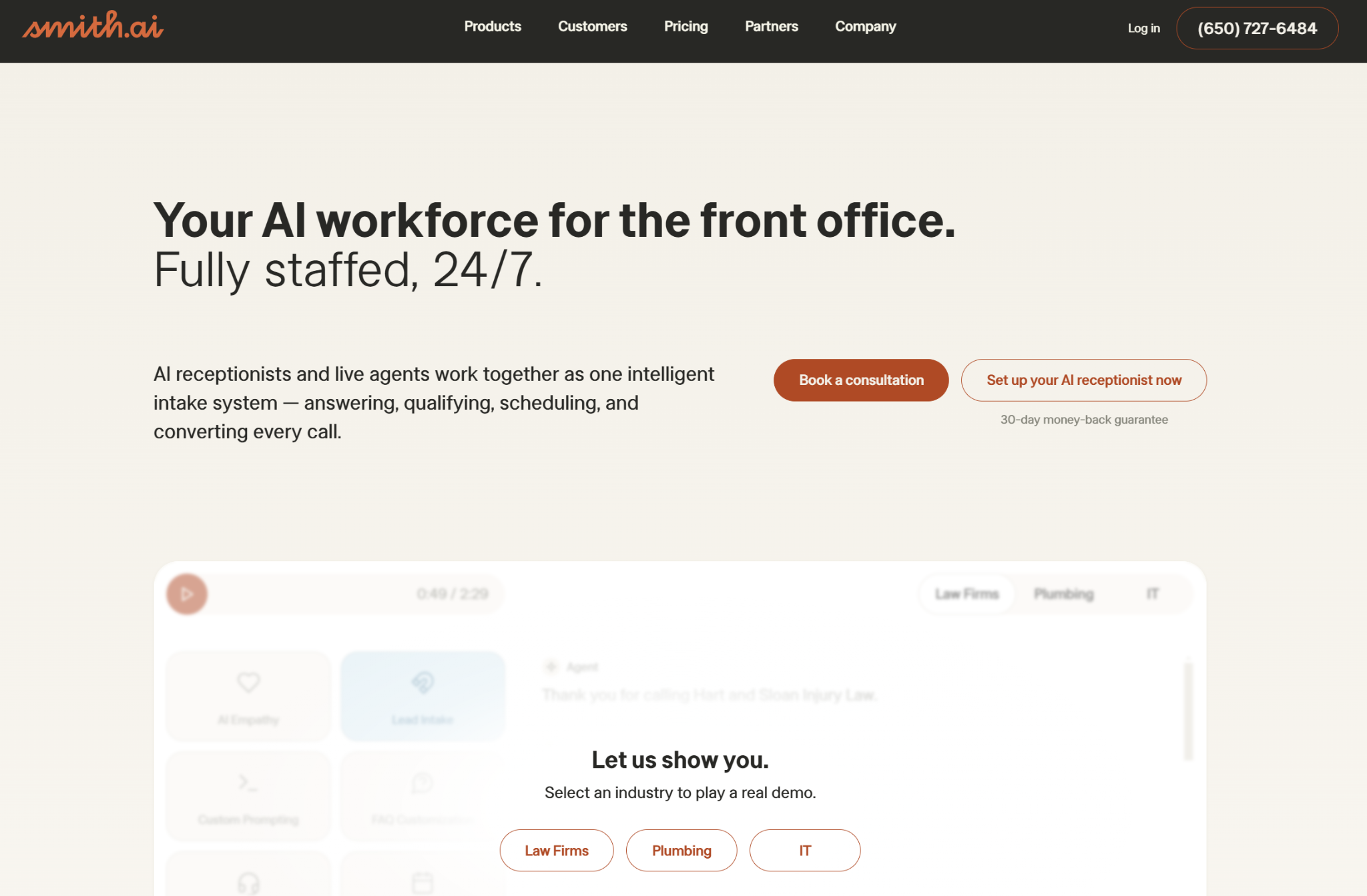
Hybrid models like Smith.ai combine AI efficiency for routine calls with live agent fallback for complex ones.
The trade-off is higher cost, typically $300 to $2,000/month versus AI-first subscriptions.
For most private practices, an AI receptionist for private practice delivers the best ROI.
For smaller offices on a tighter budget, an affordable answering service for small business starts at $44/month with Specialty Answering Service or $97.50/month with Smith.ai's AI tier.
How to Choose the Right Answering Service for Your Practice
Start with your practice's specific constraints, not the feature list.
Assess your monthly call volume first. Under 200 calls/month, per-call pricing may work. Above that, subscription or flat-rate AI pricing is more cost-effective.
Confirm HIPAA compliance documentation. Request a BAA before signing. Verify the service uses encrypted transmission and role-based access controls.
Compare subscription vs. usage-based pricing. Usage-based plans can spike with volume. Subscription models offer predictable budgeting.
Test scheduling integration. Make sure the service syncs with your existing calendar or EHR, not just takes messages.
Evaluate setup speed. If your practice is already missing calls, a 5-7 day setup window costs you revenue. AI services like Goodcall can go live in under 24 hours.
Always request a trial. Most quality providers offer a 14-day trial or money-back guarantee. Test before you commit.
For medical practice-specific compliance guidance, the American Medical Association provides frameworks for evaluating vendor requirements.
The HIPAA Journal is an authoritative reference for understanding what HIPAA compliance demands from your answering service vendor.
Conclusion: Stop Losing Patients to Unanswered Calls
The best answering service for private practice depends on your call volume, compliance needs, and budget predictability.
Live receptionists (Ruby, AnswerConnect) deliver warm, personalized interaction suited for legal and high-sensitivity practices.
AI answering service platforms like Goodcall deliver scalable, cost-controlled, HIPAA-compliant coverage with zero staffing overhead.
Hybrid solutions (Smith.ai) bridge both at a higher price point.
If you are ready to stop losing calls after hours without hiring more staff, Goodcall is the most efficient starting point.