#Voice AI
March 18, 2026
Best Voice AI Platform for Customer Support to Improve Call Efficiency
Share this post


Explore AI Summary


.jpg)
Over 80% of customers expect immediate responses when contacting support, yet most businesses still rely on overloaded call centers and outdated IVR systems. This growing gap between customer expectations and service capacity has made voice AI a critical technology for modern customer support teams.
This article explains what defines the best voice AI platform for customer support, compares leading AI voice agents, and shows how businesses can use AI-powered voice support.
A voice AI platform for customer support is a system that uses artificial intelligence, natural language processing (NLP), and speech recognition to handle customer calls automatically. These platforms power AI voice assistants for businesses that can answer questions, route calls, complete transactions, and resolve issues without human intervention.
Unlike rule-based IVR systems, modern voice AI platforms understand natural speech, context, and intent. They enable automated customer support calls that feel conversational while delivering consistent outcomes. Most platforms integrate with CRMs, ticketing tools, and knowledge bases to support end-to-end customer service automation.
Key applications include:
For businesses, voice AI platforms also play a critical role in improving accessibility, reducing wait times, and maintaining service quality during peak demand.
Here are some of the most powerful voice AI agents for customer support that drive better engagement, faster resolutions, and scalable automation across industries:
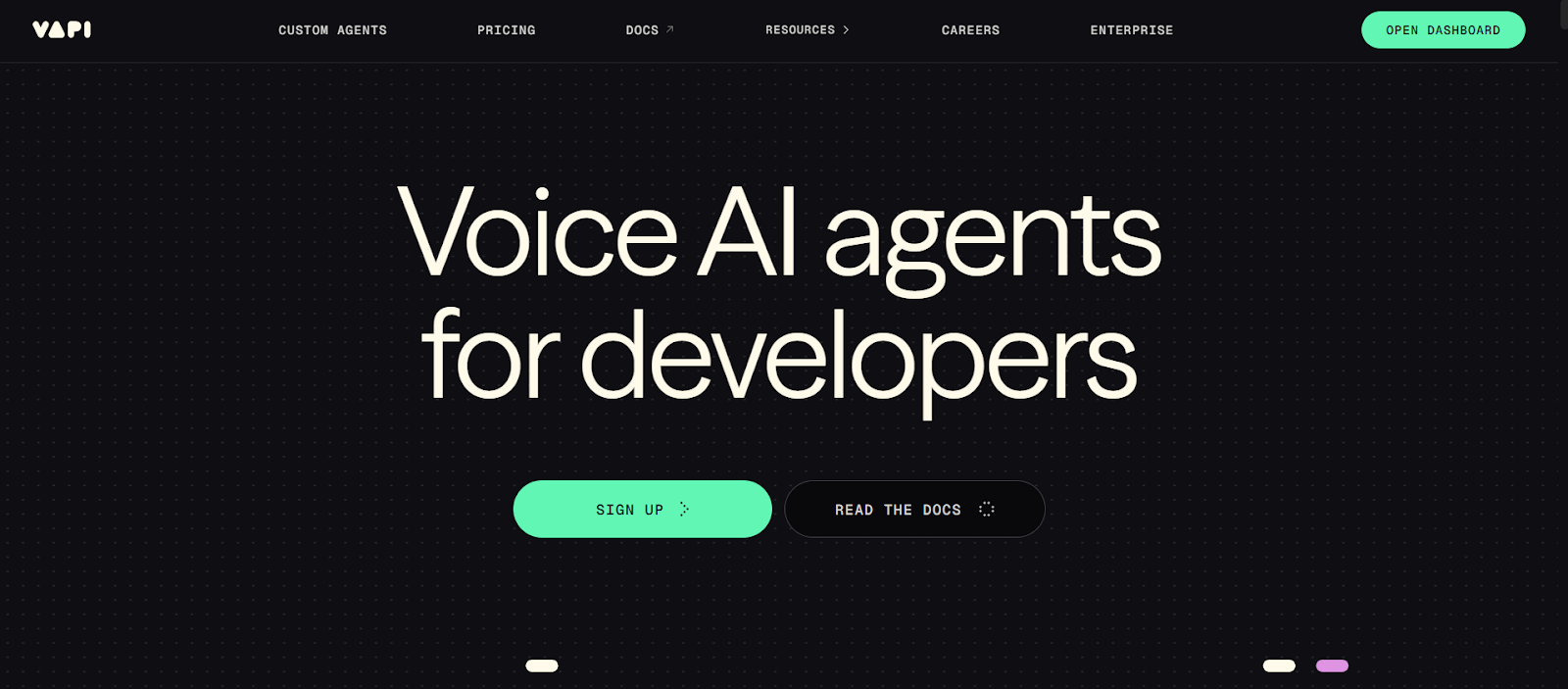
Vapi is an advanced AI voice assistant for businesses that automates phone interactions with a natural conversational experience. It supports high-volume inbound calls, understands customer intents, and reduces the workload on live agents. Vapi is built for companies that require flexible automation with strong analytics and easy integration.
Key features:
Pricing: Vapi offers tiered plans based on call volume and feature sets. Usage-based pricing allows businesses to scale without high upfront fees.
Limitations:
Best for: Growing businesses that need customizable automation and strong reporting for customer insights.
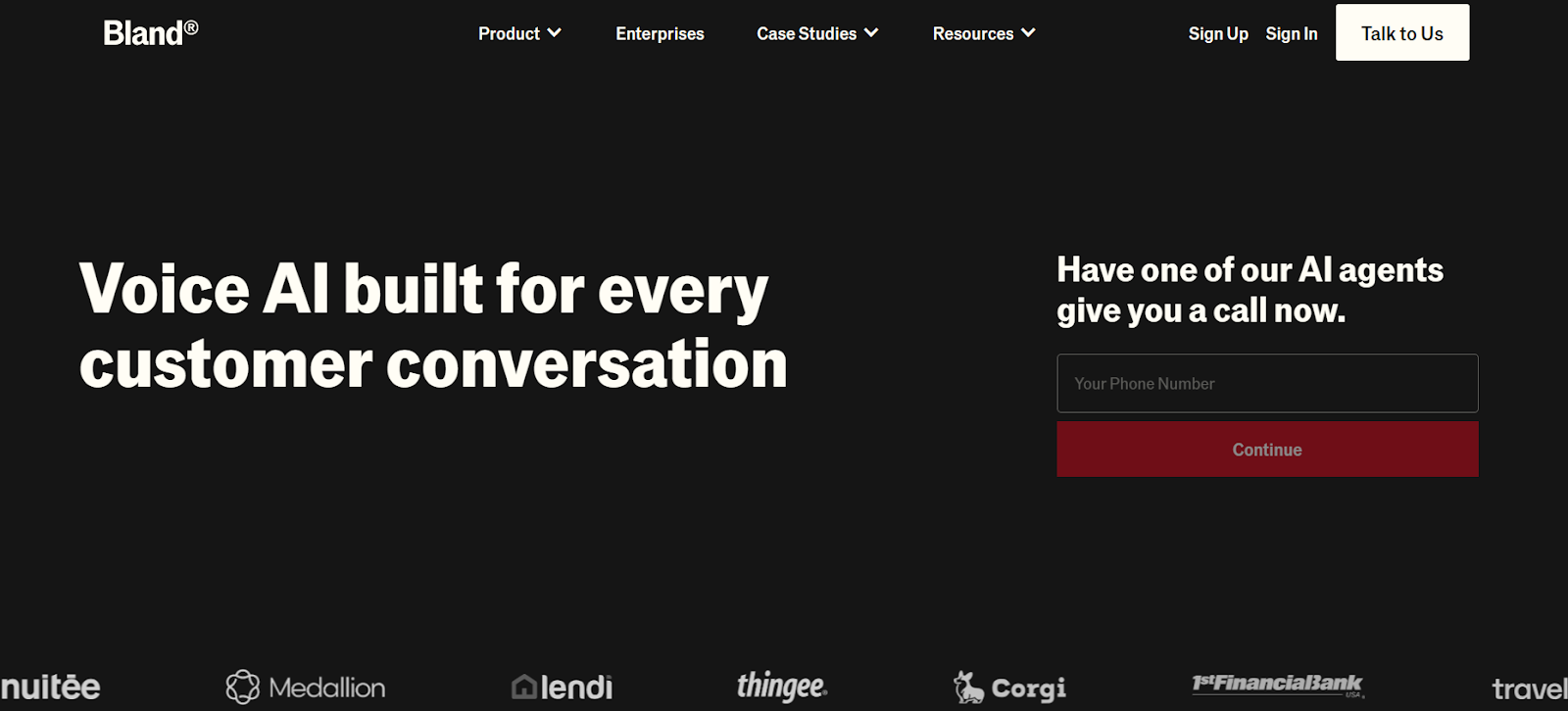
Bland AI is designed to deliver high-quality AI-powered voice support with efficient call handling and robust NLP capabilities. It focuses on seamless conversation flow, intent accuracy, and workflow automation for customer engagement teams. The platform supports scalable deployment across multiple support channels.
Key features:
Pricing: Bland AI uses a subscription model with custom enterprise pricing based on usage and support requirements.
Limitations:
Best for: Medium to large enterprises that require advanced conversational automation and detailed analytics.
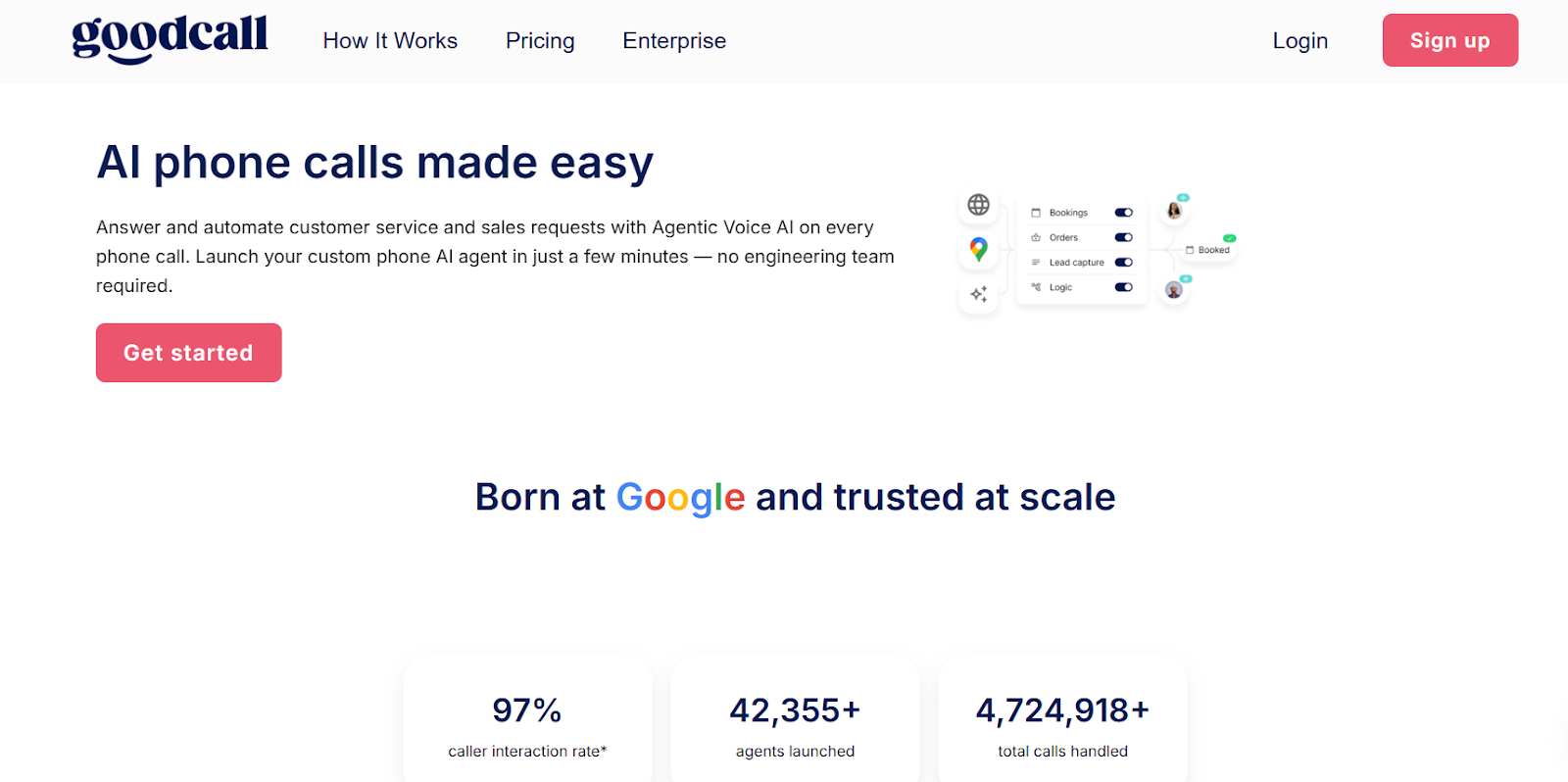
Goodcall delivers a dedicated voice AI solution focused on real customer support calls with minimal technical complexity. It automates routine inquiries and routing, enabling teams to deliver high-quality phone support around the clock. Goodcall prioritizes fast deployment and intuitive control for customer support leaders.
Key features:
Pricing: Goodcall offers flexible usage-based pricing, making it accessible for small businesses while scaling to enterprise demand.
Limitations:
Best for: Small to mid-sized businesses looking for dependable, voice-centric automation without complex implementation.
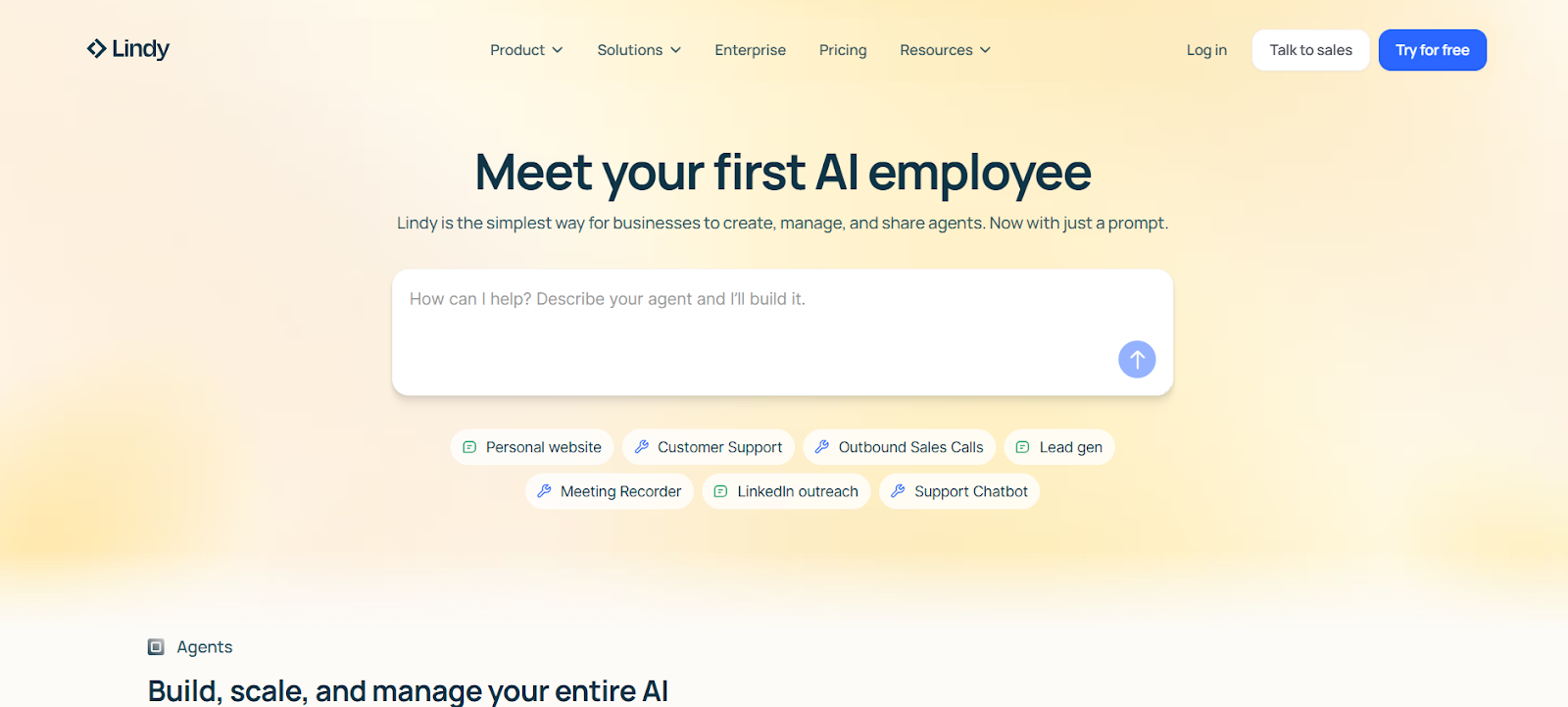
Lindy is an AI voice platform built to automate customer engagement with human-like conversational capabilities. It focuses on delivering personalized interactions across phone support channels, helping businesses reduce wait times and increase first-call resolution rates. Lindy integrates with business systems to provide contextually aware responses.
Key features:
Pricing: Lindy offers flexible subscription plans with tiers based on monthly call volume and access to advanced features. Enterprise plans include premium support and customization options.
Limitations:
Best for: Businesses prioritizing personalized customer engagement and contextual automation.
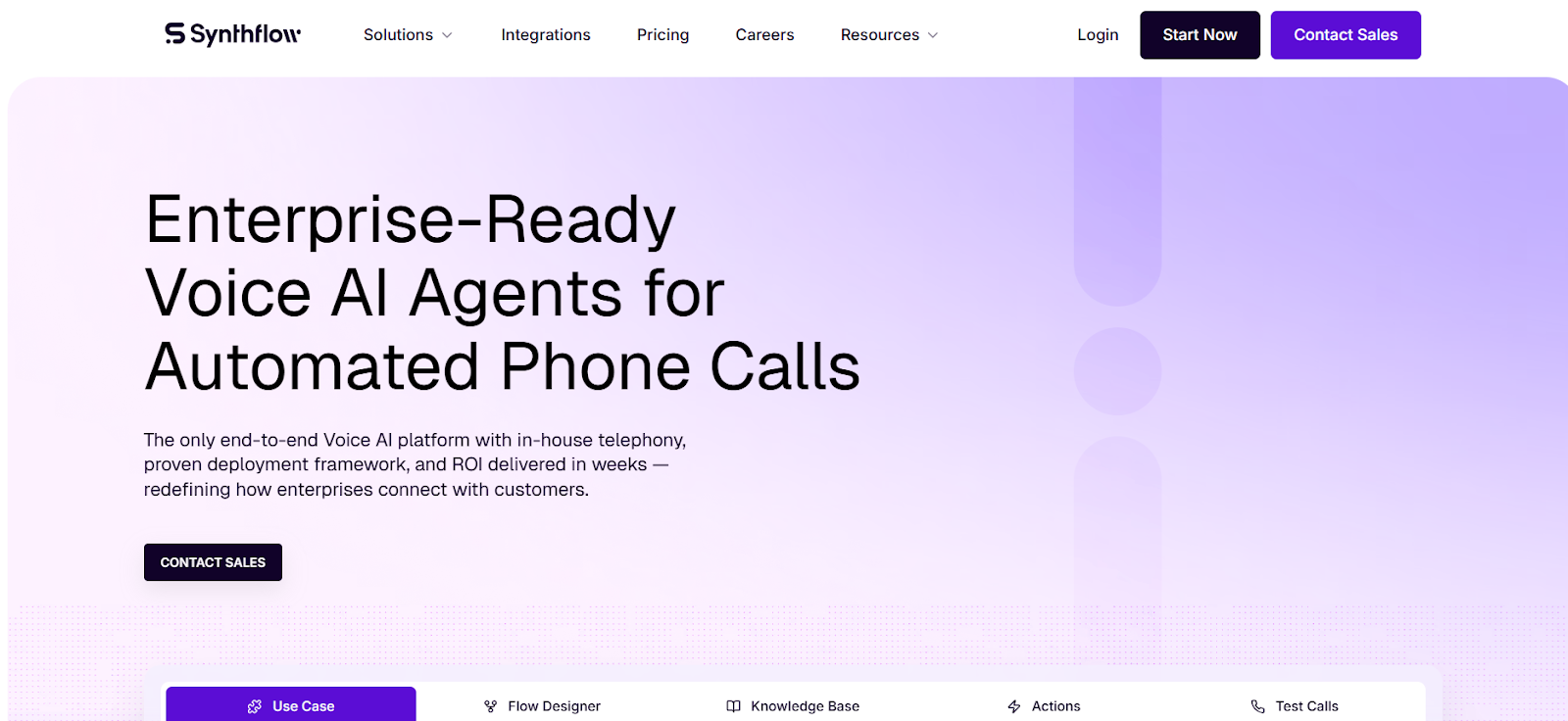
Synthflow AI is a voice AI platform that simplifies automated customer support calls using generative AI and intelligent routing. It helps businesses handle routine inquiries, capture customer intent, and manage large call volumes without human intervention. Synthflow also emphasizes analytics and performance tracking to optimize support flows.
Key features:
Pricing: Synthflow uses a pay-as-you-go usage model, allowing businesses to pay based on call minutes and feature usage. Custom enterprise pricing is available for large-scale deployments.
Limitations:
Best for: Organizations looking for scalable, usage-based pricing with strong automation capabilities.
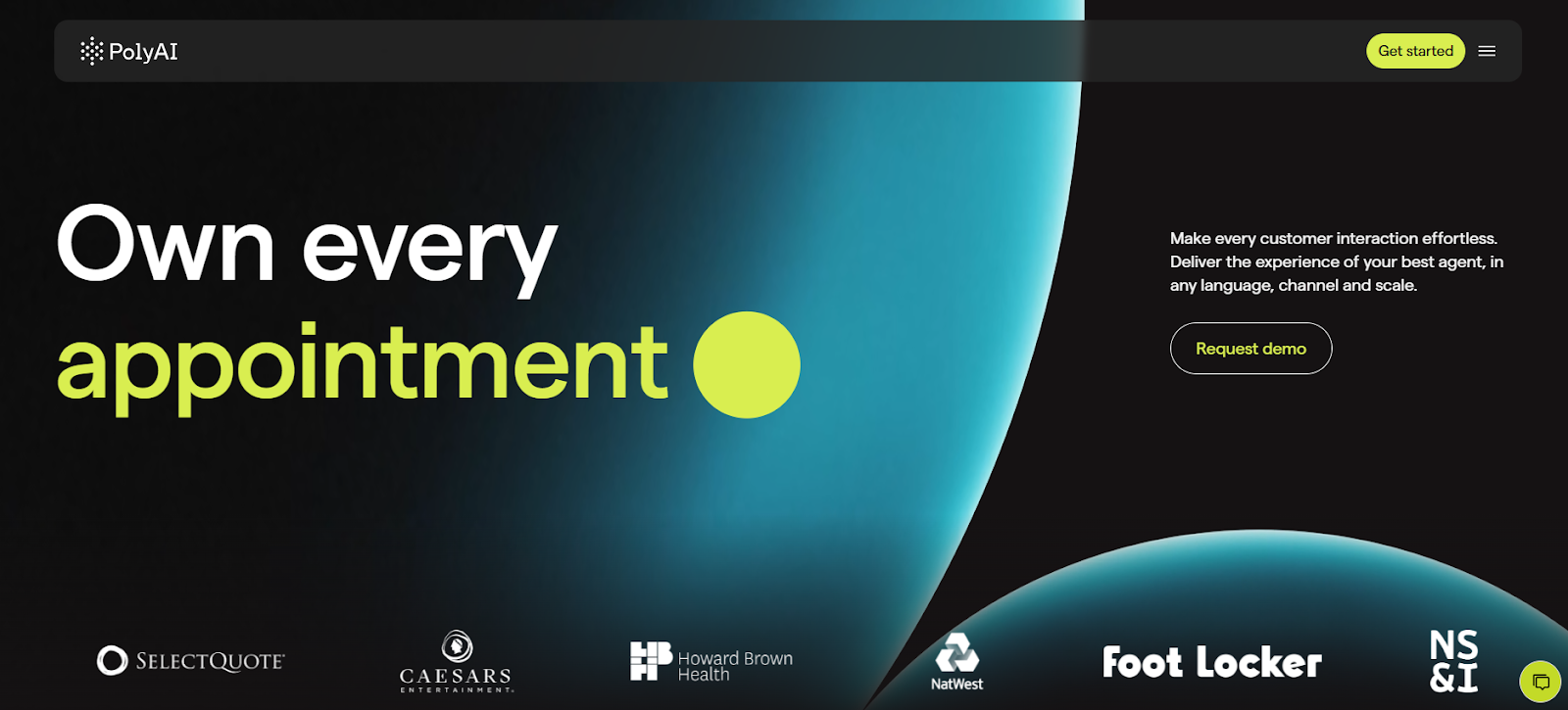
Poly AI focuses on conversational AI agents designed for seamless voice interactions. Its platform supports natural dialogues across customer support calls and can escalate to human agents when needed. Poly AI’s system emphasizes contextual understanding and uninterrupted conversation continuity.
Key features:
Pricing: Poly AI offers enterprise-focused pricing tailored to call volume and integration needs. Custom plans include dedicated support and advanced feature sets.
Limitations:
Best for: Large enterprises with high call volumes and complex customer service workflows.
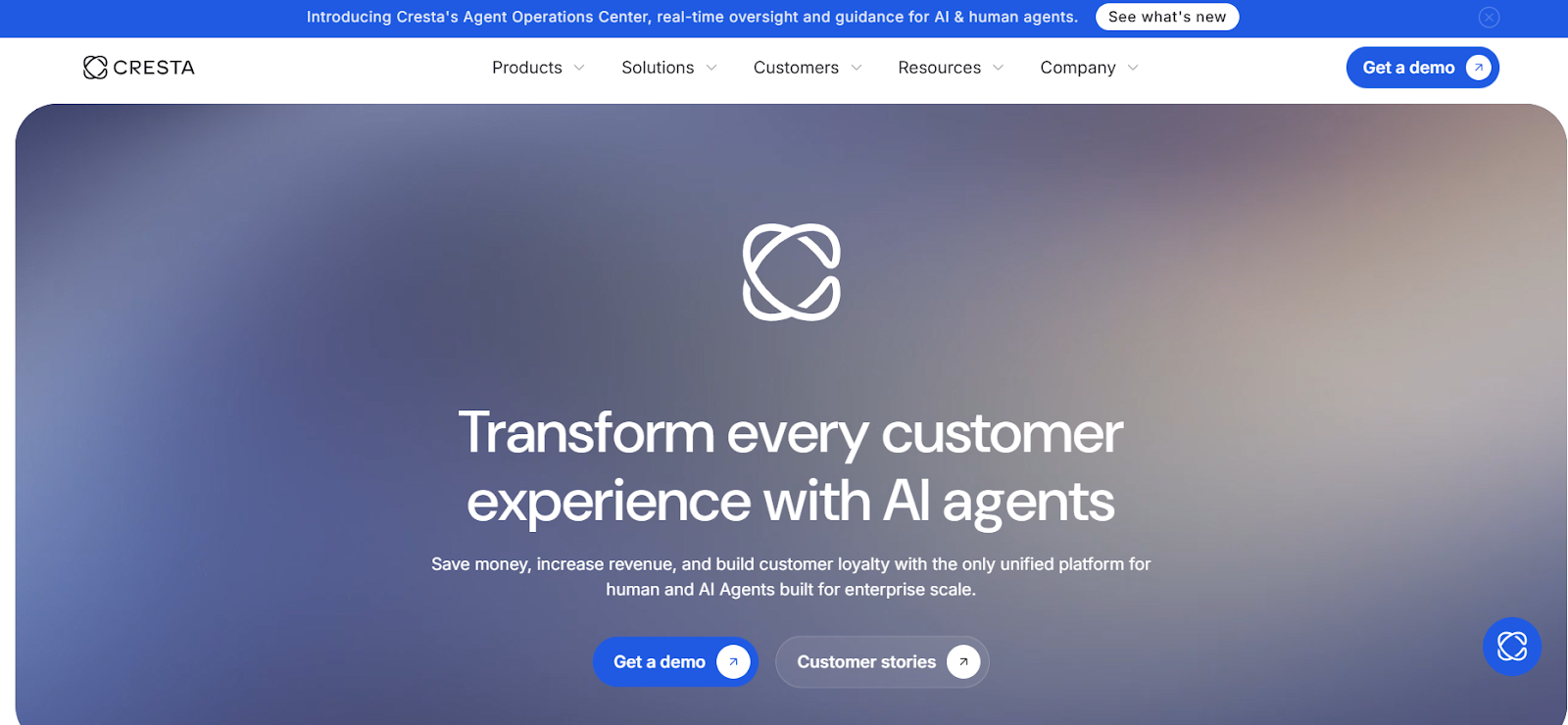
Cresta combines AI coaching with conversational voice automation to optimize support outcomes. Its platform supports real-time agent guidance and autonomous voice interactions. Cresta enhances customer engagement by blending assisted agent performance with automated task handling.
Key features:
Pricing: Cresta uses customized enterprise pricing based on call volume and feature usage. Plans typically include analytics and coaching modules.
Limitations:
Best for: Large contact centers seeking a hybrid model of automation and human agent optimization.
Goodcall is built specifically for businesses that want reliable, voice-first automation without complex technical setup. It delivers natural conversations, accurate intent detection, and fast call handling, helping companies modernize phone support while maintaining a human-like customer experience.
Goodcall stands out for focusing on real operational needs. It integrates easily with business systems, supports scalable call volumes, and enables rapid deployment. This makes it a strong choice for companies seeking dependable AI-powered voice support with measurable results.
Benefits of Using Goodcall:
Choosing the right voice AI solution directly impacts customer satisfaction, operational efficiency, and long-term scalability. A strategic evaluation helps businesses avoid costly implementation mistakes and poor customer experiences.
The following factors help identify the best voice AI platform for customer support based on real business needs and performance requirements.
Every business has different support needs. Some require simple call deflection, while others need advanced automation.
Common AI voice agent use cases are:
A platform should demonstrate strong performance across these scenarios. Businesses should test real call flows before deployment.
Voice quality directly impacts customer satisfaction. Poor speech recognition or robotic responses reduce trust.
High-performing voice AI customer experience platforms offer:
A voice AI platform must integrate with existing business tools. Without integration, automation remains limited.
Key integrations include:
These integrations enable seamless customer service automation and reduce manual data entry.
Voice AI systems process sensitive customer data. Security compliance is non-negotiable for US businesses.
Platforms should support:
Pricing models vary across platforms. Some charge per minute, while others use subscription-based plans.
Businesses should evaluate:
Scalable pricing ensures that automated customer support calls remain cost-effective during growth.
Before committing, companies should request demos and pilot programs. Effective AI phone support examples demonstrate:
Testing in real conditions reveals platform limitations and performance gaps.
Choosing the best voice AI platform for customer support comes down to business goals, call volume, and customer experience priorities. Platforms like Goodcall, Poly AI, and Synthflow offer strong automation capabilities, but the ideal choice is the one that balances conversational quality, scalability, and ease of deployment.
For most businesses, the winning platform is not the most complex one. It is the solution that delivers fast setup, reliable AI-powered voice support, and measurable improvements in customer satisfaction. Investing in the right voice AI platform today creates a future-ready customer support operation tomorrow.
Turn every call into a better customer experience. Try Goodcall today and automate calls, reduce wait times, and deliver faster resolutions with AI-powered voice support.
What is the best voice AI platform for customer support?
The best voice AI platform for customer support depends on business needs. Leading platforms combine natural speech recognition, automation workflows, CRM integration, and scalable pricing. Businesses should prioritize platforms that improve call resolution speed and customer satisfaction.
Is voice AI better than traditional IVR systems?
Yes. Voice AI outperforms traditional IVR by understanding natural language and context. It reduces call friction, improves routing accuracy, and supports conversational interactions. This improves the efficiency of AI-powered voice support and the customer experience.
Can voice AI replace human customer support agents?
Voice AI does not fully replace agents. It automates repetitive tasks and simple inquiries. Human agents remain essential for complex cases. This hybrid model improves productivity while maintaining service quality.
How much does a voice AI platform cost?
Pricing varies by platform and usage. Costs typically range from monthly subscriptions to per-minute call charges. Businesses should evaluate total ownership cost, including setup, integrations, and scaling requirements.
Is voice AI secure for customer calls?
Yes, when properly implemented. Leading platforms use encryption, compliance certifications, and secure storage. Following NIST and CCPA guidelines ensures customer data protection and regulatory compliance.
Can small businesses use voice AI effectively?
Yes. Small businesses benefit from reduced staffing costs, 24/7 availability, and faster response times. Voice AI platforms designed for business use make deployment accessible without technical expertise.
How quickly can I set up Goodcall Voice AI?
Goodcall typically allows setup within a few minutes. Businesses can configure call flows, connect phone systems, and launch automation quickly. This enables fast adoption of customer service automation.