

What Is Voice AI? How Does Voice AI Work?
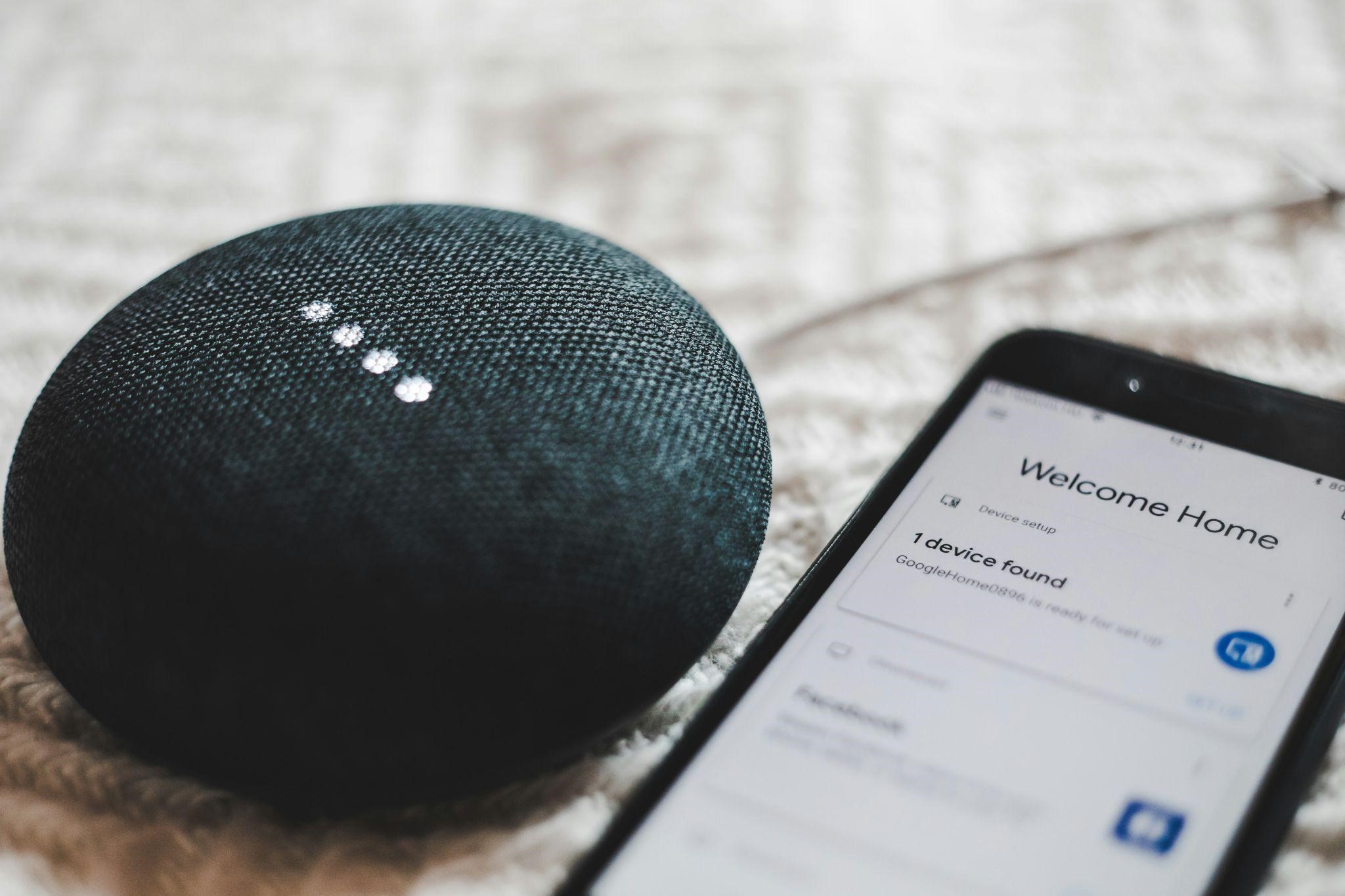
Imagine you call the customer support of a company and say, “My internet is slow again.” A Voice AI instantly understands the issue, checks your account, troubleshoots the problem, and books a technician without redirecting you to an assistant or making you wait endlessly on the phone.
Voice AI is the technology that lets machines talk and listen like humans, not just hearing words but understanding intent, emotion, and context. Instead of clicking buttons or typing commands, you simply speak, and the system responds naturally. Voice AI helps by making interactions faster, easier, and more human.
What Is Voice AI?
Voice AI is a technology that enables computers to understand, process, and respond to human speech in a natural, conversational way. It combines speech recognition, natural language understanding, and machine learning to turn spoken words into meaningful actions. Instead of clicking or typing, users can simply talk, and the system listens, understands intent, and replies like a human would.
Why Is Voice AI Important for Modern Businesses?
Voice AI helps businesses deliver faster, more personal, and always-on experiences. It automates customer interactions, reduces response times, and scales support without increasing costs. From handling customer queries and bookings to qualifying leads and collecting feedback, Voice AI improves efficiency while meeting today’s expectations for instant, frictionless communication.
Key Features of Voice AI
Voice AI comes with a set of capabilities that make conversations feel natural and effective:
- Speech recognition to accurately convert spoken words into text
- Natural language understanding to grasp intent, context, and meaning
- Real-time responses that feel fast and human-like
- Personalization based on user history and preferences
- Multilingual support to serve diverse audiences
- Seamless integrations with CRMs, support systems, and business tools
How Does Voice AI Work?
Voice AI works by first capturing spoken input through a microphone and converting it into text using speech recognition. That text is then analyzed to understand intent and context. Based on this understanding, the system decides the best response or action and delivers it back as natural-sounding speech. Behind the scenes, machine learning models continuously improve accuracy and conversation quality with every interaction.
Voice AI vs IVR vs Human Agents
| Feature | Voice AI | Traditional IVR | Human Agent |
|---|---|---|---|
| Availability | Available 24/7, always answering calls without wait times. AI doesn’t get tired or take breaks. | Limited during off-hours or routed to voicemail; callers must navigate rigid menus. | Limited to business hours and staffing capacity; callers may wait for someone to be free. |
| Availability | Ashland, Danville, Somerset, Middlesboro, and Maysville | Ashland, Danville, Somerset, Middlesboro, and Maysville | Ashland, Danville, Somerset, Middlesboro, and Maysville |
| Cost | Lower ongoing costs and automated handling reduce the need for large live teams. | Low tech cost, but often still requires human follow-up for real issues. | Highest costs, such as salaries, training, scheduling, and benefits for staff. |
| Call Handling | Conversational AI understands context, answers questions, books appointments, captures leads, and escalates only when needed. | Menu-based callers push buttons or speak limited options, often leading to frustration. | Full understanding. Humans can handle nuance, empathy, and complex queries. |
| Scalability | Highly scalable. It can handle many simultaneous calls without extra hiring. | Limited. It can lead to call volume spikes that create bottlenecks. | Scales poorly. You must hire more agents during busy times. |
| CX Experience | More natural conversations with dynamic, voice-based AI that feels closer to human interaction. | Rigid and frustrating, callers are often stuck in a loop. | Empathetic and flexible, but service quality can vary by agent. |
Is Voice AI Safe to Use?
Yes, Voice AI is safe to use when it is designed with strong security, privacy, and compliance standards. Modern Voice AI systems are built to protect both businesses and customers throughout every interaction.
- Data Encryption: Conversations and customer information are encrypted during transmission and storage to prevent unauthorized access.
- Privacy-First Handling: Voice AI platforms follow data protection regulations and give businesses control over how call data is stored, used, or deleted.
- Limited Data Access: Only authorized users can access call logs, transcripts, and system settings through secure authentication controls.
- Minimal Data Retention: Voice AI is designed to capture only what is necessary to complete the task, reducing exposure of sensitive information.
- Human Handoff Safeguards: When a call needs to be escalated, the transition to a human agent happens securely without losing context or data integrity.
- Ongoing Monitoring and Updates: Continuous system monitoring and regular updates help protect against evolving security threats.
Key Benefits of Voice AI in Contact Centers
Voice AI helps contact centers operate more efficiently while improving the customer experience.
- Handles high call volumes instantly without long wait times
- Provides 24/7 support without increasing staffing costs
- Resolves routine inquiries automatically, freeing agents for complex issues
- Delivers consistent, accurate responses across every interaction
- Reduces operational costs related to hiring, training, and scheduling
- Improves first-call resolution through better intent understanding
Voice AI Use Cases Across Industries
Voice AI is widely used across industries to automate conversations and streamline operations.
- Customer support for answering FAQs, troubleshooting, and routing calls
- Healthcare for appointment scheduling, reminders, and patient intake
- Retail and eCommerce for order tracking, returns, and product inquiries
- Real estate and property services for lead qualification and tour bookings
- Financial services for account inquiries, payment reminders, and support
- Restaurants and hospitality for reservations, confirmations, and guest assistance
Business Impact of Voice AI
Voice AI delivers measurable impact by improving efficiency, customer satisfaction, and scalability.
- Lowers cost per call while increasing call handling capacity
- Reduces missed calls and ensures no leads are lost
- Improves customer experience with faster, more natural interactions
- Enables businesses to scale support without adding headcount
- Provides actionable insights from call data and conversation analytics
- Strengthens brand perception through always-available, reliable service
How Goodcall’s Voice AI Helps Businesses Never Miss a Call
Goodcall’s Voice AI ensures every incoming call is answered, understood, and handled intelligently:
- Answers calls instantly, 24/7, even outside business hours
- Handles multiple calls simultaneously without queues or hold times
- Understands natural conversations instead of relying on rigid scripts
- Delivers personalized experiences by identifying returning customers, new callers, and past interactions.
- Captures leads, books appointments, and resolves common inquiries automatically
- Routes complex calls to human agents with full context when needed
- Scales faster by integrating with tools you already use, such as CRMs, calendars, and support systems
- Logs call summaries, transcripts, and insights so no opportunity is missed
How to Choose the Right Voice AI Platform
The right Voice AI platform should grow with your business and get smarter over time.
- Natural Conversation Quality: The AI should understand intent, context, and follow-up questions naturally.
- Personalization through Integrations: The platform should connect with your CRM to recognize callers and tailor responses.
- Scalability and Reliability: The platform should handle increasing call volumes without performance issues.
- Easy integrations: Seamless connection with existing tools helps you scale faster without changing workflows.
- Security and Privacy Controls: Strong data protection and access management are essential.
- Self-Learning and Teachable Intelligence: Educate AI on new topics and allow quick training in just a few clicks.
- Actionable Analytics: Clear insights and performance metrics help improve conversations over time.
FAQs
How much does voice AI cost?
Voice AI pricing varies by usage and features, but platforms like Goodcall are designed to be cost-effective compared to hiring full-time agents.
Is voice AI safe to use?
Yes, Goodcall’s Voice AI uses secure systems and privacy-first practices to protect customer conversations.
Can voice AI clone my voice?
No, Goodcall’s Voice AI does not clone personal voices; it uses AI-generated voices built for business use.
Does voice AI work on Discord and Zoom?
Voice AI like Goodcall is primarily built for phone calls and business lines, not real-time meeting platforms like Discord or Zoom.
Who should use voice AI?
Businesses that handle frequent calls, such as service providers, sales teams, and support centers, can benefit most from Goodcall.
How does voice AI differ from IVR and chatbots?
Unlike IVR menus or text-based chatbots, Goodcall’s Voice AI understands natural speech and holds real conversations over the phone.
Is voice AI affordable for small businesses?
Yes, Goodcall is the best AI phone answering service for small businesses and is built to be accessible for small and growing businesses without large support teams.
Can voice AI replace human agents completely?
No, Goodcall’s Voice AI handles routine calls and escalates complex issues to humans when needed.
How secure is voice AI for customer calls?
Goodcall secures customer calls with controlled access, encrypted data handling, and privacy-focused design.