#Voice AI
June 15, 2026
Best Voice AI API for Outbound and Inbound Calling
Share this post


Explore AI Summary


.jpg)
Every day, millions of calls go unanswered, cut short, or mishandled due to long wait times and overwhelming call traffic. Customers grow frustrated while businesses lose opportunities they never even see. This is exactly where voice AI steps in to keep conversations moving, responsive, and human-like.
From managing inbound support calls to scaling outbound sales conversations, voice AI is changing how businesses connect. Choosing the Best Voice AI API for Outbound and Inbound Calling is no longer optional; it is essential for speed and consistency. This article explains how voice AI APIs work and how inbound and outbound calling differ, and evaluates leading voice AI solutions for your business.
Inbound and outbound voice AI serve different business objectives but rely on the same conversational intelligence foundation. Understanding these differences helps organizations deploy the most suitable voice AI API for inbound and outbound calling more effectively.
Inbound voice AI handles calls initiated by customers seeking information, support, or assistance. It functions as an AI phone agent that answers calls instantly, identifies caller intent, and resolves common requests such as appointment scheduling, order tracking, and account inquiries.
Advanced inbound voice AI uses natural language processing to manage unpredictable conversations. It maintains context, handles interruptions, and escalates complex issues to human agents when required, improving resolution speed and customer satisfaction.
Outbound voice AI initiates calls on a business's behalf to conduct sales outreach, send payment reminders, provide service updates, and collect customer feedback. AI outbound calling software enables companies to contact thousands of customers consistently while maintaining personalized messaging.
Modern outbound systems adapt conversation flows based on customer responses. Conversational voice AI can answer questions, handle objections, and dynamically adjust scripts, creating more natural interactions while maintaining regulatory compliance.
The best voice AI API for outbound and inbound calling combines conversational intelligence, operational reliability, and regulatory compliance into a single scalable solution. These core capabilities determine how effectively voice automation for business performs in real-world calling environments.
Below are the most important features businesses should evaluate when selecting a voice AI API.
A high-quality voice AI API accurately interprets diverse accents, speech patterns, and customer intent. This enables conversational voice AI to respond naturally and avoid misinterpretation, thereby improving call resolution rates and reducing customer frustration.
Low latency ensures conversations feel human and uninterrupted. The AI phone agent should process speech instantly and respond without noticeable delays, maintaining natural dialogue flow during both inbound and outbound calls.
The voice AI API must integrate with CRM platforms, help desk software, and scheduling tools. This allows inbound voice AI to retrieve customer data and outbound AI calling software to automatically log interactions and outcomes.
Businesses need flexibility to design call scripts, branching paths, and fallback responses. Customizable workflows enable voice automation to help businesses align with operational goals while maintaining conversational consistency.
Built-in compliance features help organizations meet TCPA and regional calling regulations. Automated consent tracking, opt-out handling, and call timing controls reduce legal risk and support responsible AI calling practices.
The best voice AI API supports thousands of simultaneous calls without performance degradation. This scalability is essential for businesses running outbound campaigns or managing high inbound call volumes during peak periods.
Advanced reporting tools provide insights into call completion rates, sentiment analysis, and resolution outcomes. These metrics enable continuous optimization of AI phone agent performance and improve overall customer experience.
Enterprise-grade security features protect customer data and conversation records. Encryption, role-based access control, and compliance with US data protection standards ensure safe deployment of conversational voice AI solutions.
The best voice AI API for outbound and inbound calling delivers reliable conversation handling, real-time speech processing, and scalable automation. Here are the top voice AI APIs widely used for inbound and outbound calling:
Vapi AI offers a robust voice AI API that handles both inbound support calls and outbound engagement at scale. It emphasizes real-time speech understanding and adaptive dialogue flow tailored for complex conversation patterns. Vapi AI supports integration with business systems to automate key customer interaction tasks.
Key Features:
Strengths:
Limitations:
Best for: Businesses seeking a flexible, developer-friendly voice AI solution with strong inbound and outbound conversation handling.
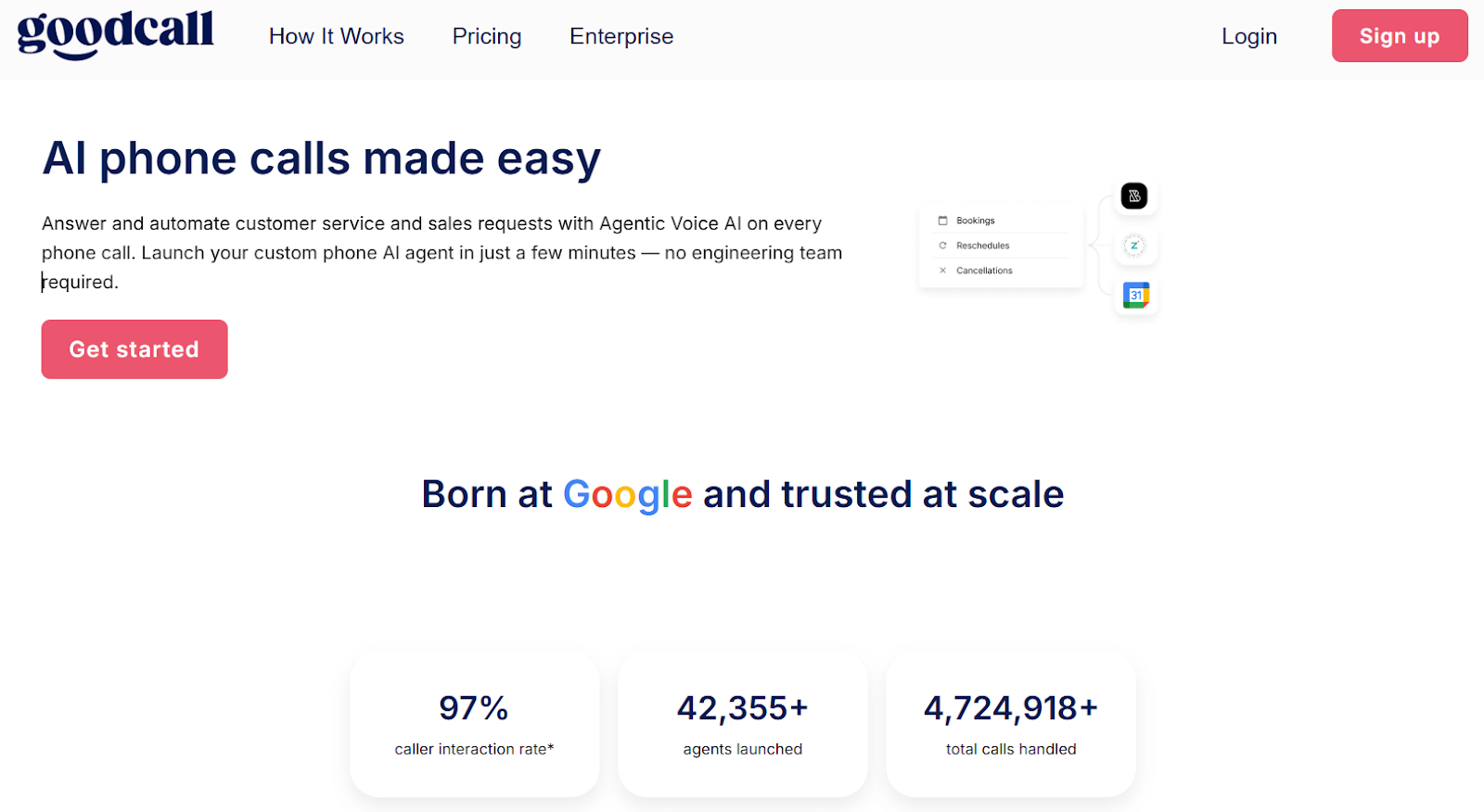
Goodcall is a purpose-built voice AI API for outbound and inbound calling that prioritizes natural, context-aware conversations. It combines real-time voice intelligence with compliance controls suitable for US regulatory environments. Goodcall also integrates seamlessly with CRMs and analytics platforms, making it a comprehensive solution for business voice automation.
Key Features:
Strengths:
Limitations:
Best for: Organizations looking for an all-in-one voice AI API optimized for both inbound support and outbound campaigns with strong regulatory alignment.
Retell AI focuses on generating dynamic voice calls with human-like delivery, blending AI intelligence with intuitive voice responses. It can automate various call types from surveys to reminders while maintaining a natural tone. Retell AI’s APIs support integration with business systems to centralize call data.
Key Features:
Strengths:
Limitations:
Best for: Brands prioritizing natural-sounding outbound calls and expressive customer interactions where tone and delivery matter.
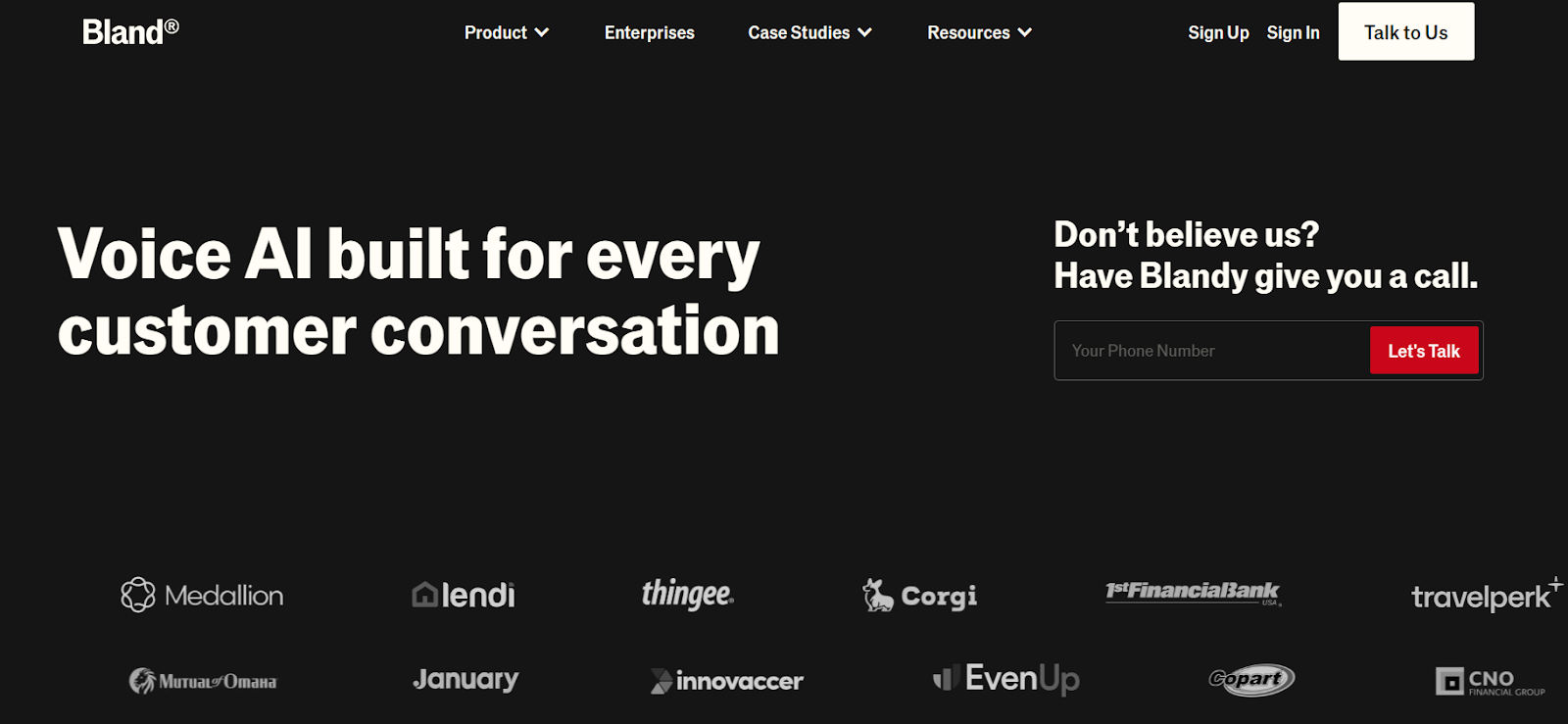
Bland AI is a conversational voice AI platform designed to automate large-scale phone interactions with human-like speech patterns. It enables businesses to deploy AI phone agents for both inbound inquiries and outbound calling campaigns. The platform emphasizes fast deployment and conversational realism.
Key Features
Strengths
Limitations
Best For: Small to mid-sized businesses seeking fast deployment of AI outbound calling software and automated inbound voice support.
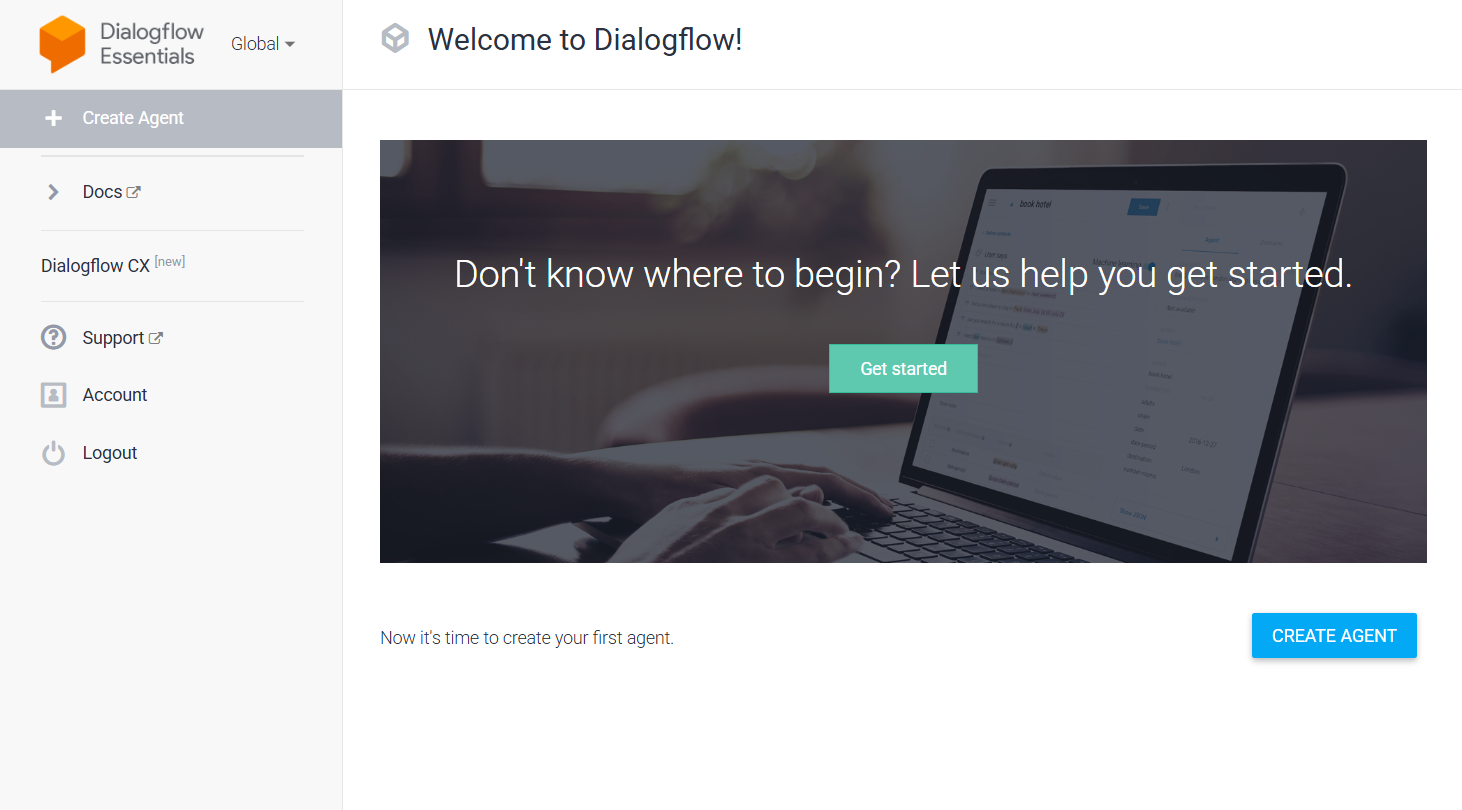
Google Dialogflow is a conversational AI platform that enables voice-enabled virtual agents for inbound support and automated calling workflows. It offers strong natural language understanding and seamless integration with Google Cloud services.
Key Features
Strengths
Limitations
Best For: Enterprises and developers building custom conversational voice AI experiences that integrate with phone systems and backend business logic.
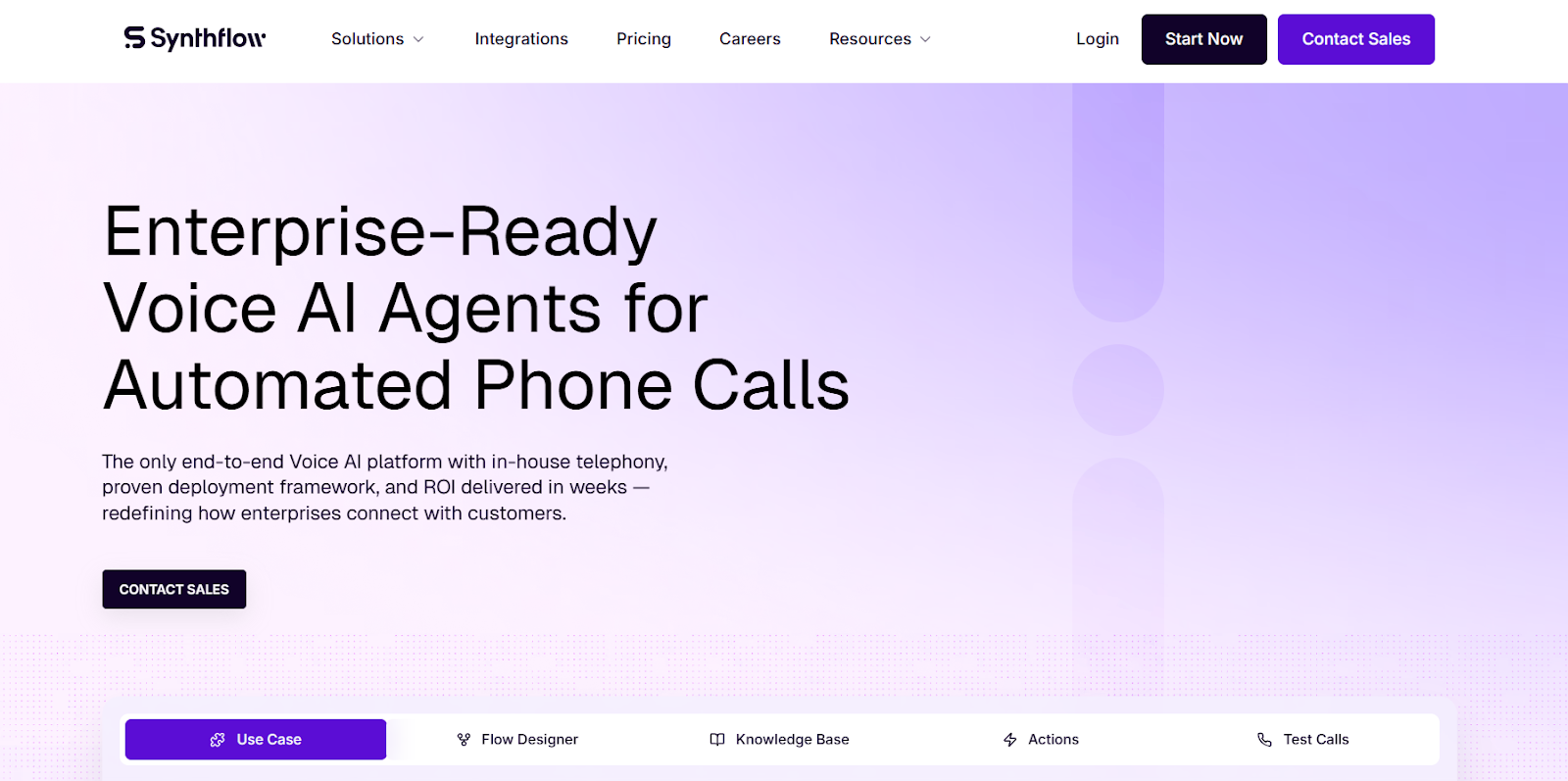
Synthflow AI is a no-code conversational voice AI platform designed to simplify deploying AI phone agents. It enables non-technical teams to build inbound and outbound calling workflows using visual tools. The platform focuses on accessibility and rapid implementation.
Key Features
Strengths
Limitations
Best For: Non-technical teams and small businesses seeking fast, no-code deployment of conversational voice AI solutions.
Selecting the best voice AI API for outbound and inbound calling depends on business goals, technical capacity, and compliance requirements. A structured evaluation process prevents costly migrations and integration challenges later.
Businesses should clearly identify whether inbound voice AI, outbound AI calling software, or both will drive primary operations. Understanding daily call volumes, peak traffic periods, and interaction complexity helps determine infrastructure and scalability needs. This clarity ensures the selected AI calling API can handle growth without service degradation.
Conversation quality directly impacts customer satisfaction and resolution rates. Businesses should test how well the AI phone agent handles interruptions, ambiguous queries, and multi-turn conversations. Strong conversational voice AI reduces misunderstandings and creates more natural customer interactions.
US businesses must prioritize compliance with TCPA and other calling regulations. A reliable voice AI API should include consent management, call timing controls, and opt-out handling. Built-in compliance features minimize legal exposure and simplify operational governance.
The voice AI API should integrate seamlessly with CRM systems, ticketing platforms, and internal databases. Strong integration enables real-time data access during inbound calls and automated logging during outbound campaigns. This connectivity improves operational efficiency and personalization.
Detailed call analytics help businesses measure effectiveness and optimize workflows. Metrics such as call completion rates, sentiment analysis, and average handling time provide actionable insights. These reports support continuous improvement of voice automation for business performance.
Goodcall delivers a unified conversational voice AI platform designed for scalable, compliant, and high-quality inbound and outbound calling. It combines automation, natural conversation handling, and enterprise-grade reliability for US businesses.
The best voice AI API for outbound and inbound calling empowers businesses to scale conversations, reduce operational costs, and deliver faster customer experiences. With conversational voice AI, companies transform traditional phone systems into intelligent communication channels that drive measurable business outcomes.
Choosing the right voice AI API enables long-term growth, stronger customer relationships, and consistent engagement across every call. Platforms like Goodcall make voice automation for business practical, compliant, and performance-driven for modern US enterprises.
Boost call conversions instantly with Goodcall’s Voice AI today. Book your 14-day free demo and automate inbound and outbound calls with smarter conversations and measurable business growth.
What is the best voice AI API for outbound calling?
The best voice AI API for outbound calling combines conversational intelligence, real-time speech processing, TCPA compliance tools, CRM integration, and scalable automation to deliver personalized outreach, higher response rates, and efficient high-volume calling operations.
Is voice AI legal for outbound calls?
Voice AI is legal for outbound calls in the US when businesses comply with TCPA rules, consent requirements, call timing restrictions, and opt-out mechanisms. Regulatory guidance from the FCC and FTC outlines acceptable automation practices for commercial calling.
How much does a voice AI API cost?
Voice AI API pricing varies by provider and usage volume. Costs typically depend on call minutes, conversation complexity, and feature access. Businesses should evaluate total operational savings rather than focusing only on per-minute pricing models.
Can voice AI replace human agents?
Voice AI does not fully replace human agents, but it handles repetitive, high-volume interactions. AI phone agents handle routine tasks, while complex or sensitive issues are escalated to human staff. This hybrid approach improves efficiency and service quality.
Does Goodcall support both inbound and outbound calls?
Yes. Goodcall supports inbound voice AI and outbound AI calling within a single platform. Businesses can automate customer support, sales outreach, and follow-up campaigns while maintaining centralized analytics and compliance management.